Redesigning the self-inspection process for Europcar On Demand carsharing — every driver becomes a trusted inspector, damage gets reported in seconds, and recovery revenue grows.

Current car-sharing damage reporting process relied heavily on users, creating blind spots, duplicate reports, and unclear responsibility. This led to identifying only 0.89% of responsible users and recovering less than 7% of total damages.
This fragmented workflow caused operational inefficiencies and high support costs, highlighting the need for an entirely new recovery process.
Products delivered including Android & iOS and Backoffice.
Increase in damage investigations since launch.
Damage pictures submitted monthly.
Reporting completion rate within two weeks.
Shipped in two releases across Android and iOS, the new flow turns every driver into a trusted vehicle inspector — reporting damage in seconds, not emails.
Users check the car’s condition and report new damage before driving off — fully in-app, with photos and context attached.
A quick mandatory review before ending the booking captures real-time vehicle condition and closes the accountability loop.
Skeleton screens, first-time hints and an orientation guard keep a mandatory process feeling light, clear and fast.

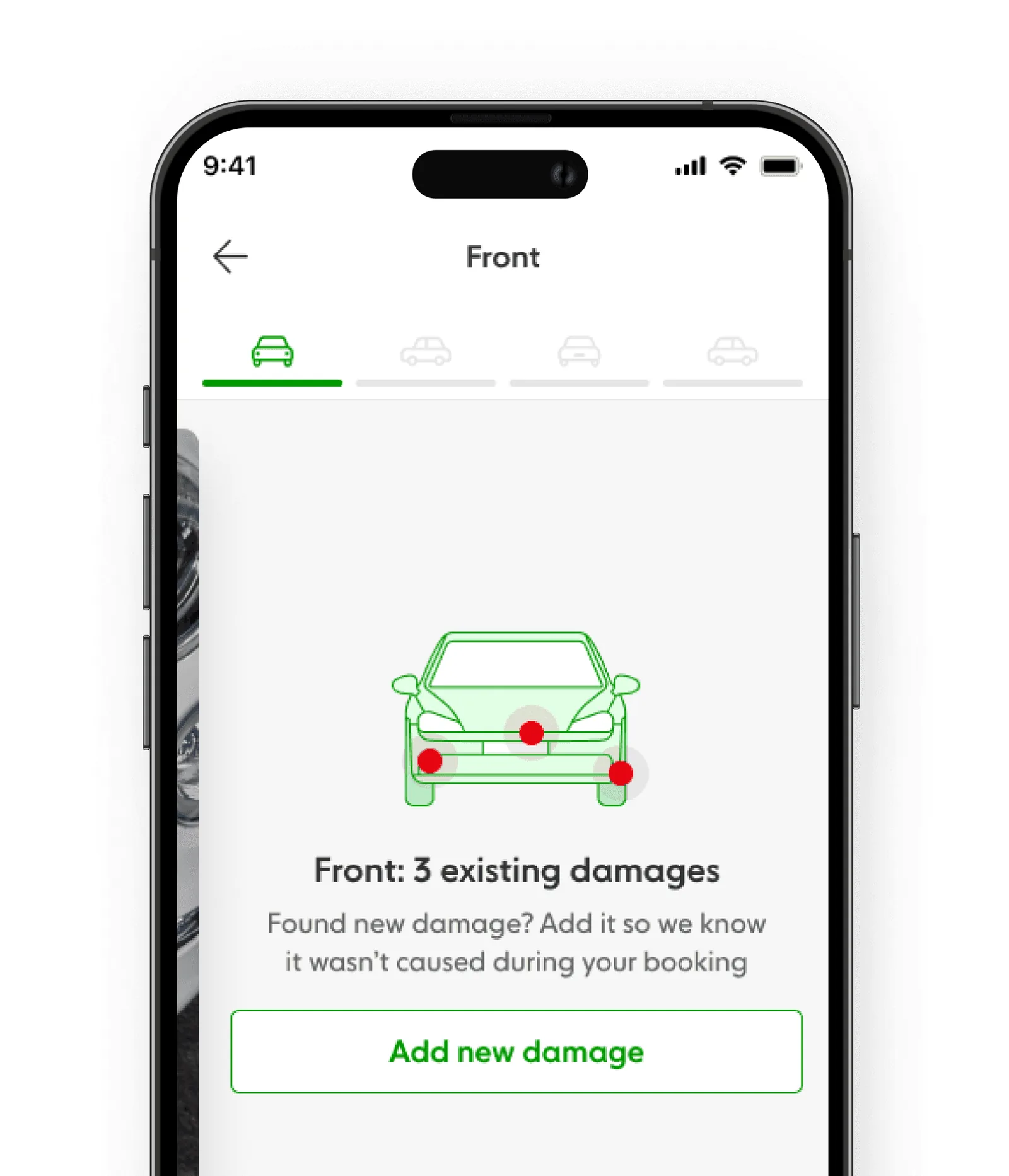
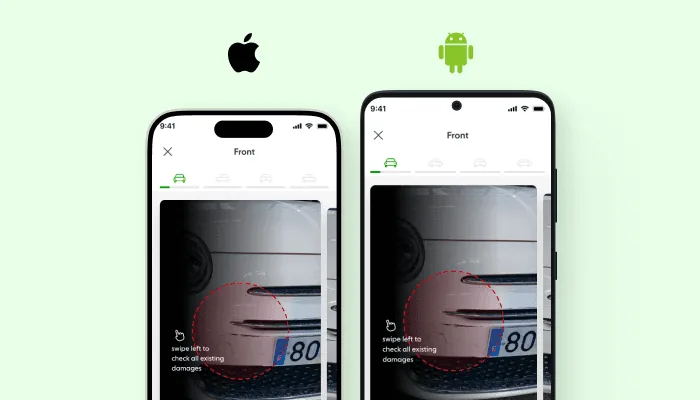
A familiar, swipeable gallery of previous damages helps users check the vehicle’s condition at a glance.
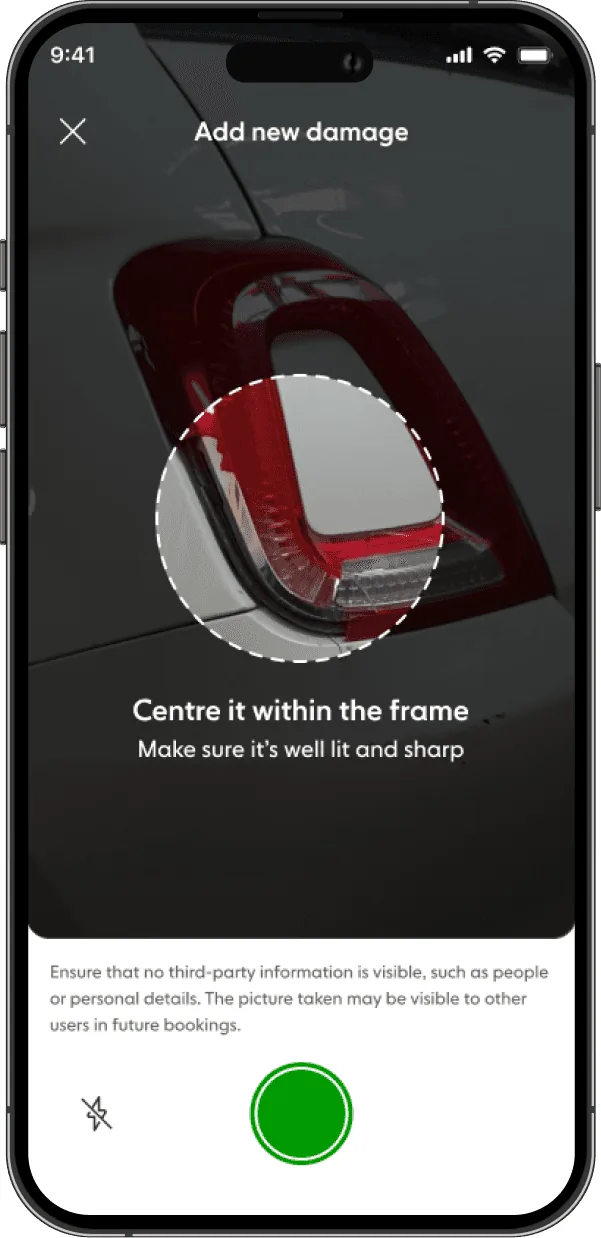
On-screen guidance helps users center every damage photo, raising image quality and speeding up backoffice reviews.

An interactive vehicle blueprint pinpoints exactly where existing damages are located, giving clear, precise references.
Every user report feeds the backstage. Ops and Customer Support gained the visibility and tools to act on each damage — and charge the right person.
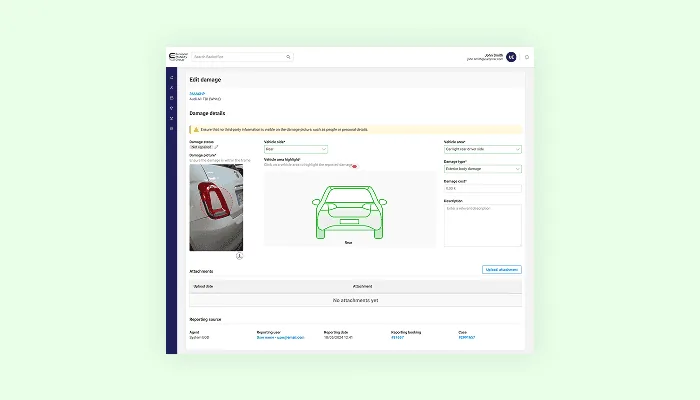
Every report feeds a live overview of fleet condition, boosting investigation speed and decision-making across markets.
Agents compare vehicle status between bookings to assign responsibility confidently and issue accurate invoices.
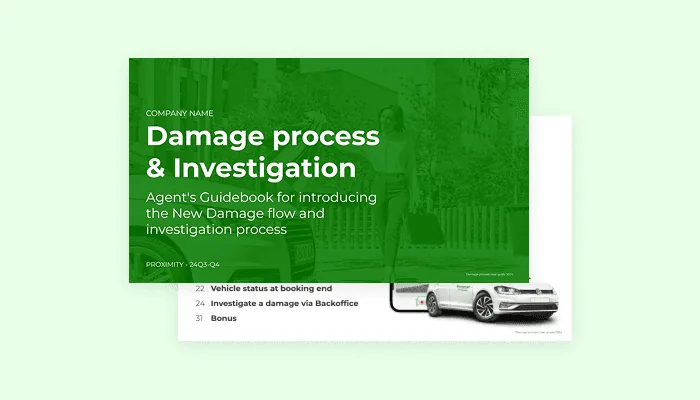
Email campaigns, updated FAQs and internal guidebooks drove 99% release adoption within one week.

Real-time damages and vehicle status make it easier to estimate costs and identify responsible users.

A practical toolkit with best practices and tips to assess damages fairly during investigations.

Two staged releases — Android first, iOS later — used real-world feedback to refine and optimize the rollout.
Selected early-stage methods that shaped the product direction, from initial research through to validation.
Benchmarked leading car-sharing services and immersed ourselves by testing competitors hands-on in real parking environments.
We mapped different inspection flow approaches, identifying gaps and best practices to shape our product vision.
Used insights from user journeys and operational workflows to build an opportunity tree guiding design decisions and experiments.
The complete journey — research, workshops, wins, fails, legal findings and the numbers behind the 63% — is private out of respect for the teams involved. Request access, or open it with your code.