Showcase — Product Design
Ubeeqo · 23Q2–Q3
Validation flow redesign
Redesigning the driver validation flow at Ubeeqo carsharing across app, webapp and back office — less friction, fewer support tickets, more validated drivers.
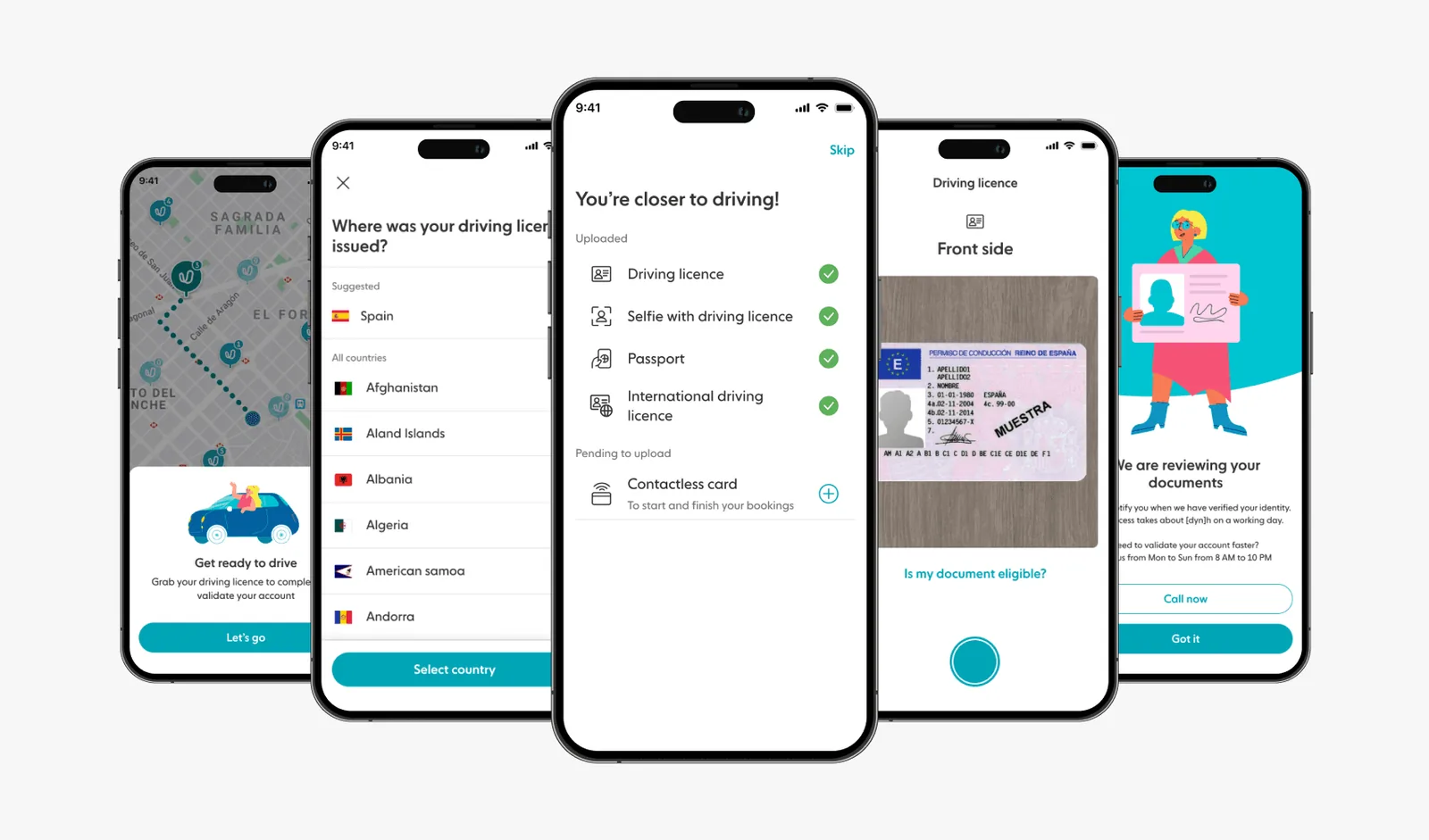
Redesigning the driver validation flow at Ubeeqo carsharing across app, webapp and back office — less friction, fewer support tickets, more validated drivers.
The existing document validation process was fragmented, inconsistent across countries, and dependent on manual checks. This led to poor user experience, unnecessary support contact, and low conversion — only 9% of users who needed extra documents completed the flow.
Missing guidance, misaligned app logic, and communication gaps across platforms created friction and validation delays, highlighting the need for a unified, intuitive validation journey.
Streamlined acquisition and lowered support costs.
Increase in activated accounts since launch.
Fewer clicks in the longest validation path.
Drop in inbound calls related to document validation.
A simplified validation with clearer steps, aligned country rules, and faster uploads, helping users get verified and hit the road in minutes.
Clearer guidance, smarter flows, and aligned rules reduce user confusion and speed up document verification.
All required documents appear on one screen based on the user's license and country — no more screen-hopping.
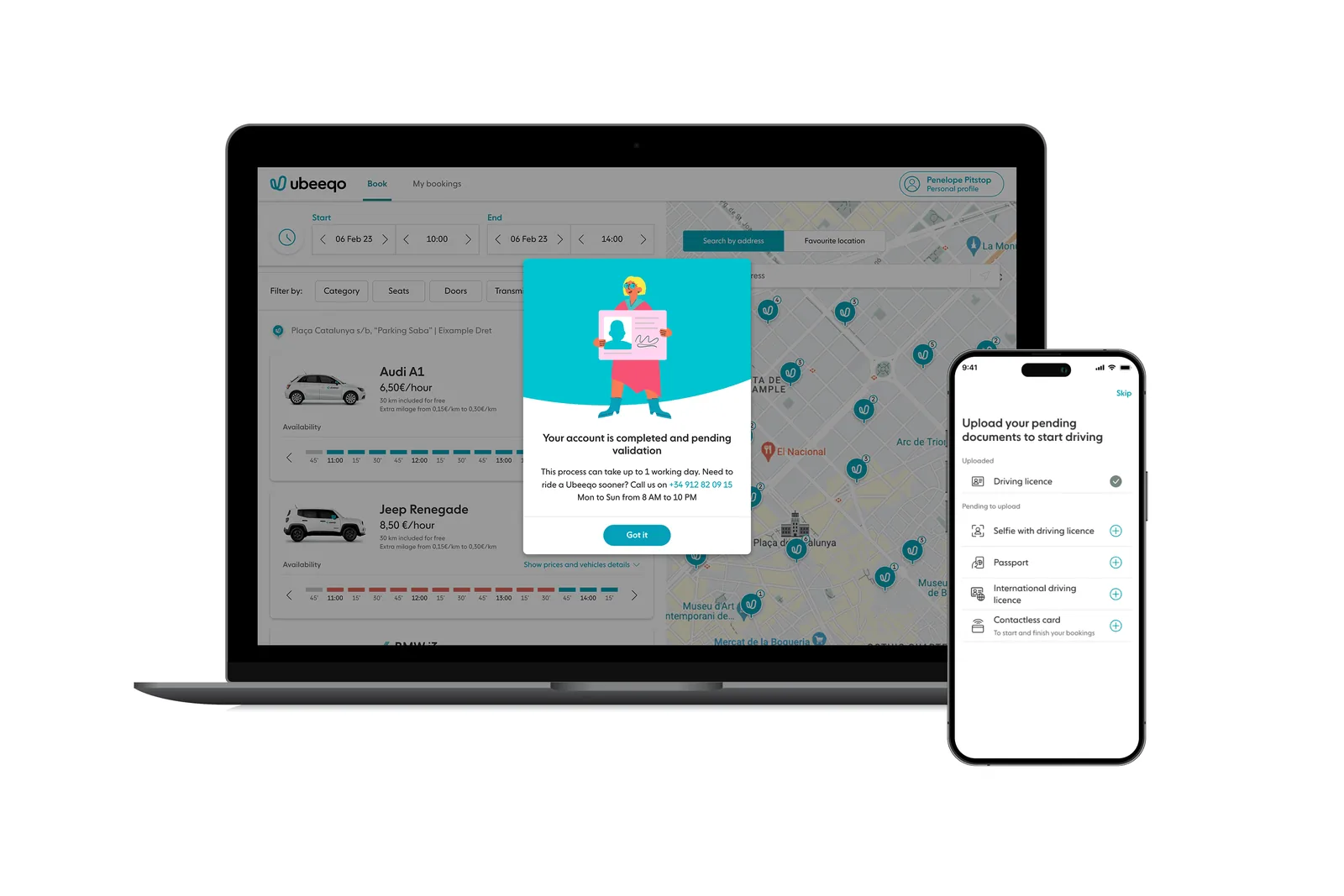
App, web, and back office are finally aligned, making it easier for users to self-complete and for agents to support consistently.
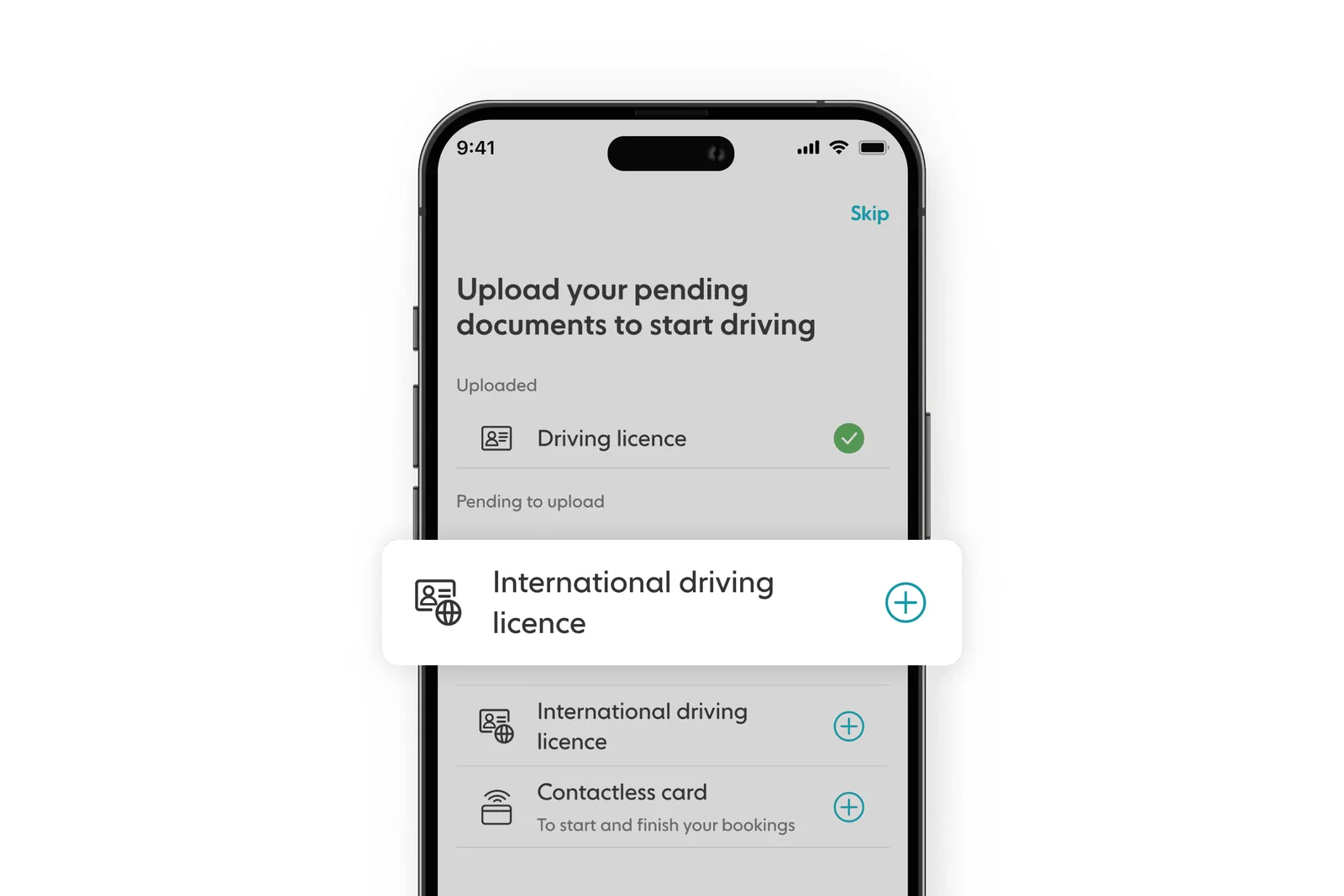
Country-specific requirements now live in a unified flow, with visibility into how many steps remain in the process.
Core research activities that shaped the validation redesign, from uncovering service gaps to improving user flows and document logic.
Interviews and demos with CS managers and agents across 4 markets to uncover validation gaps, country-specific needs, and service challenges.
User tests and social listening helped us understand behavior, validate ideas, and improve the onboarding and document upload experience.
Mapped service rules and support flows across countries to align teams, identify inconsistencies, and define clear validation criteria.
Key outcomes across end-user platforms and internal tools, enhancing self-service in the app, accelerating agent workflows, and aligning logic across the full ecosystem.
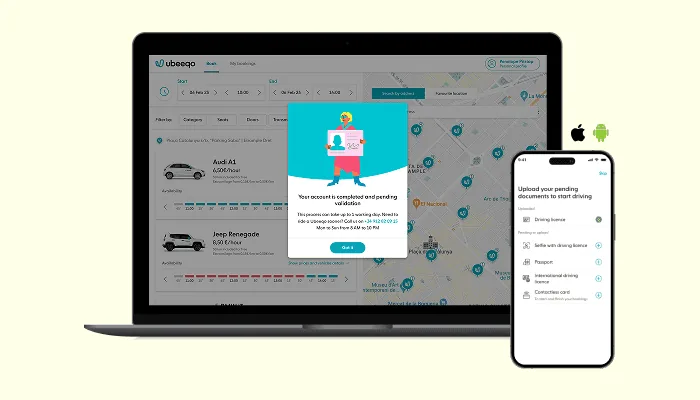
Redesigned experience across Android, iOS, and webapp, making it easier for users to upload documents and validate on their own.
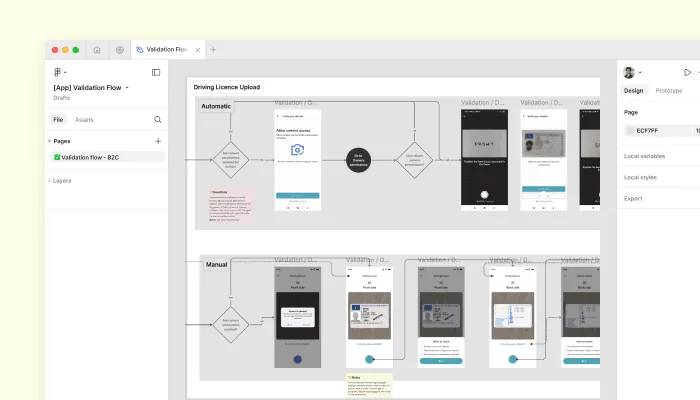
A centralized data source aligns behavior across app, webapp, and backoffice, improving visibility, collaboration, and experience consistency.
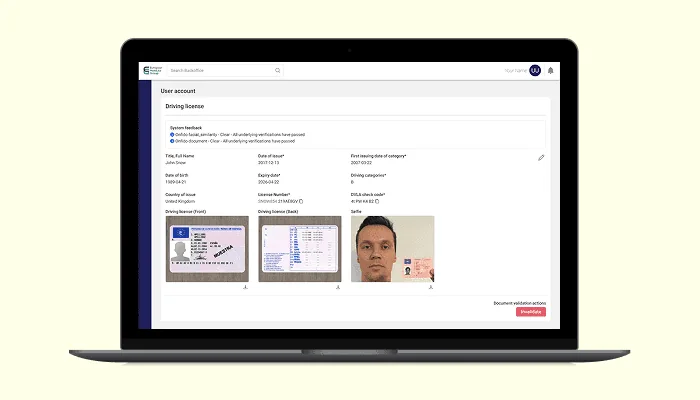
Agents now validate users faster and with more control, thanks to configurable document handling and clearer flow logic.
This was just a glimpse. Explore the full journey, design wins, fails, legal findings, and career lessons. I'd be happy to walk you through the full Case study.