Building a Single Source of Truth in Figma to align product, design and engineering at Europcar On Demand — one place, one language, zero guessing.

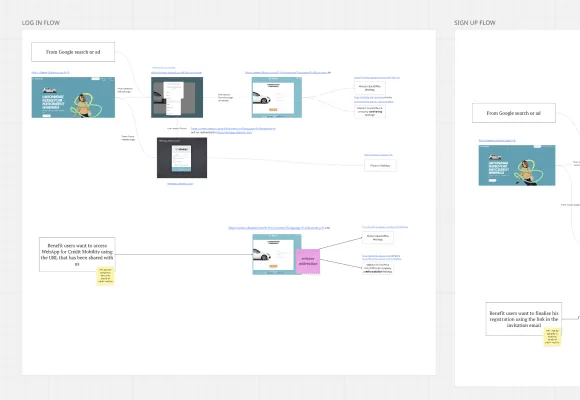
Every time a stakeholder — business, product owner, or developer — needs to review the product experience, it's manually mapped in Miro, often missing key flows or edge cases.
Our design team launched a one-week bunker to structure product flows in Figma, creating a consistent, reusable source of truth that improves team communication, reduces rework, and speeds up collaboration.
Planned and facilitated an in-office Bunker workshop with a team of designers. Coordinated closely with the Product Manager, Product Owners, and developers.
Days of focused work in-office.
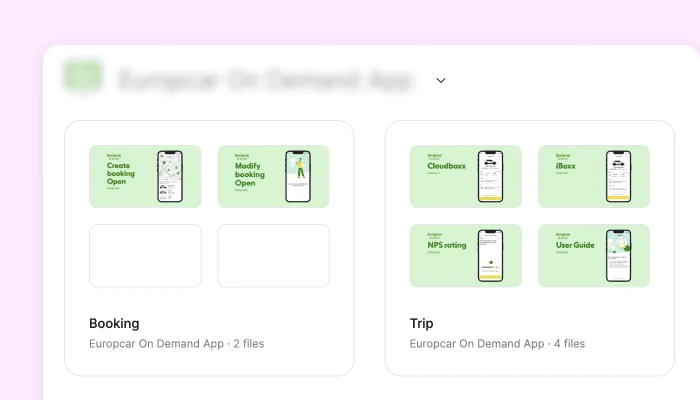
Flows mapped to match the product areas (Booking, Trip, Registration…).
Platforms covered (App, Webapp and Web).
Reduction in components used.
Teams quickly adopted the new structure and reviewed from product to technical levels in record time.
A Slack channel enabled live feedback from devs and PMs, with direct comments in Figma to iterate fast.
A no-distraction, war-room setup helped the design team map the product fast — no meetings, no blockers.
Shared structure and naming improved communication, reduced components, and aligned libraries.
Quick overview of a before and after project approach when a new development or product enhancement is needed.

Product mapping started in Miro with POs, devs, QAs, and designers — requiring heavy effort and often missing context.

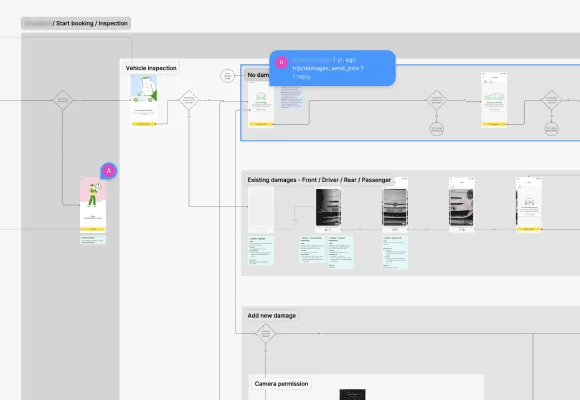
Product assessments now start in Figma as a unified source of truth, enabling full understanding and team autonomy.
Most relevant tasks and artifacts created to ensure success and compromise.
Analyzed each product's UI/UX to identify overlap and rationalize patterns.
One-week design sprint in a dedicated war-room with focused collaboration.
Slack space enabled feedback from stakeholders helping us iterate and align in real-time.
Most relevant outcomes delivered to scale alignment and improve consistency.

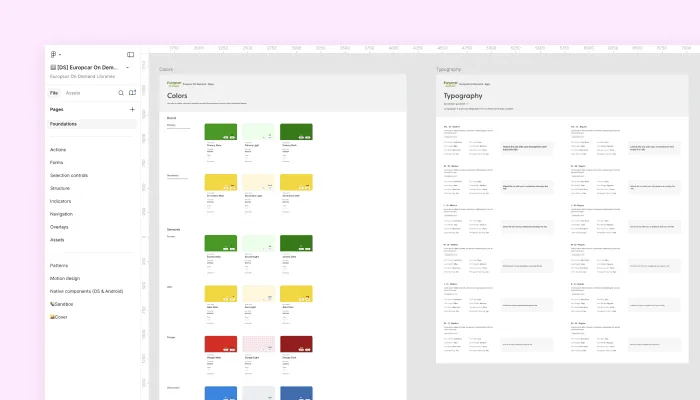
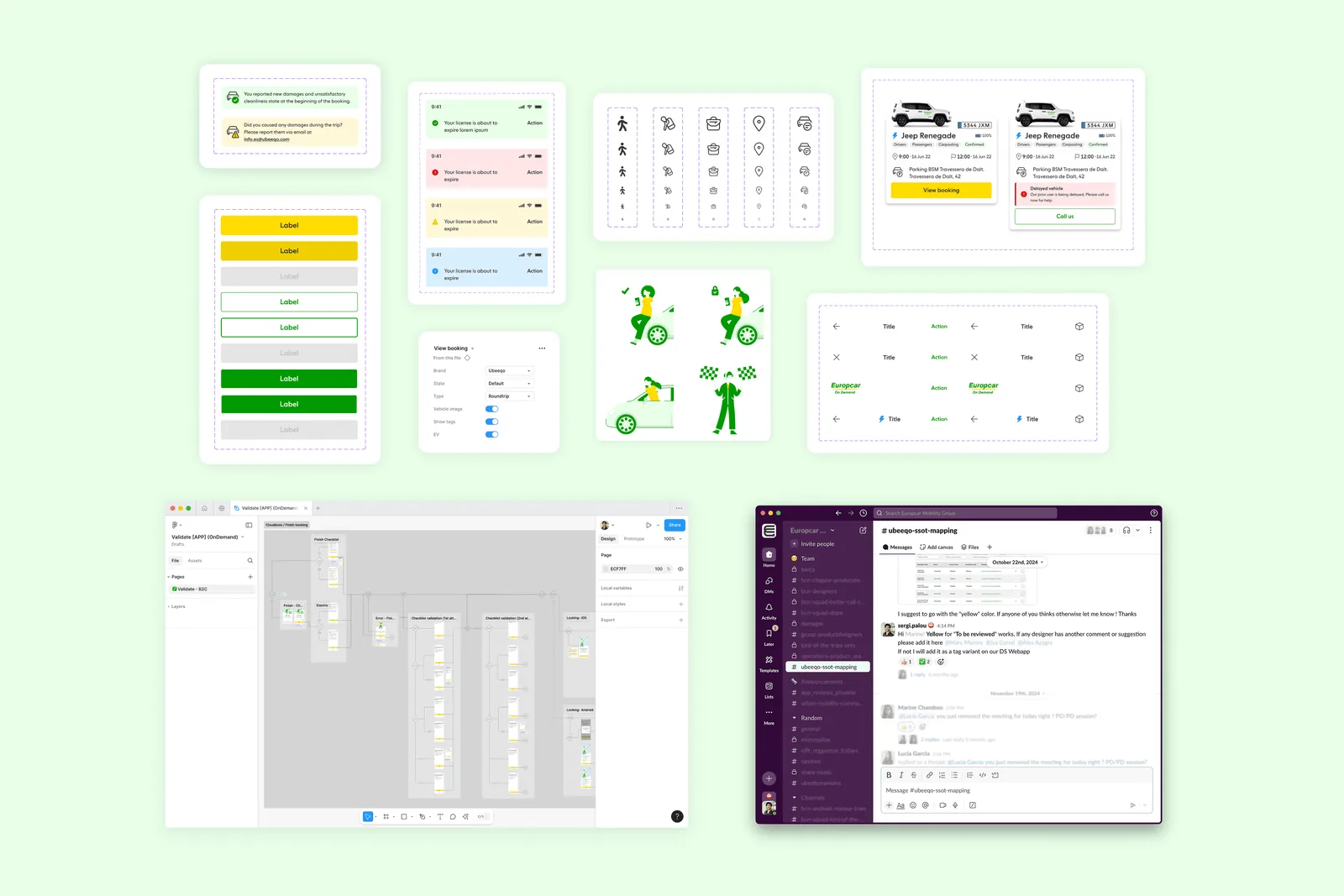
Foundation for consistent UX across products (mobile and web), including patterns and microinteractions.

Unified Figma flows for key experiences across platforms, structured around core product workflows.
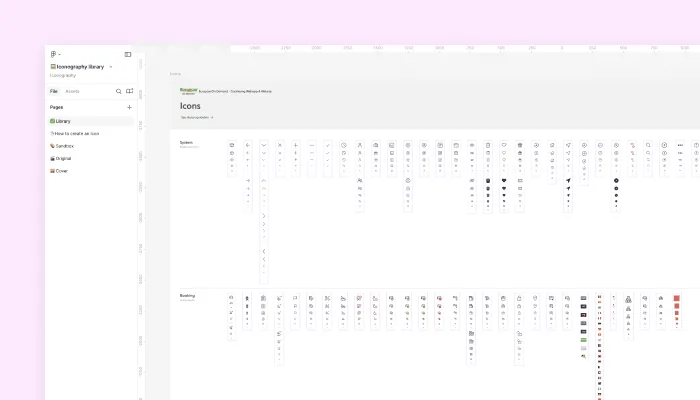
Shared icon system to scale design efficiently and support governance.